
Insulation Company in Highland, CA
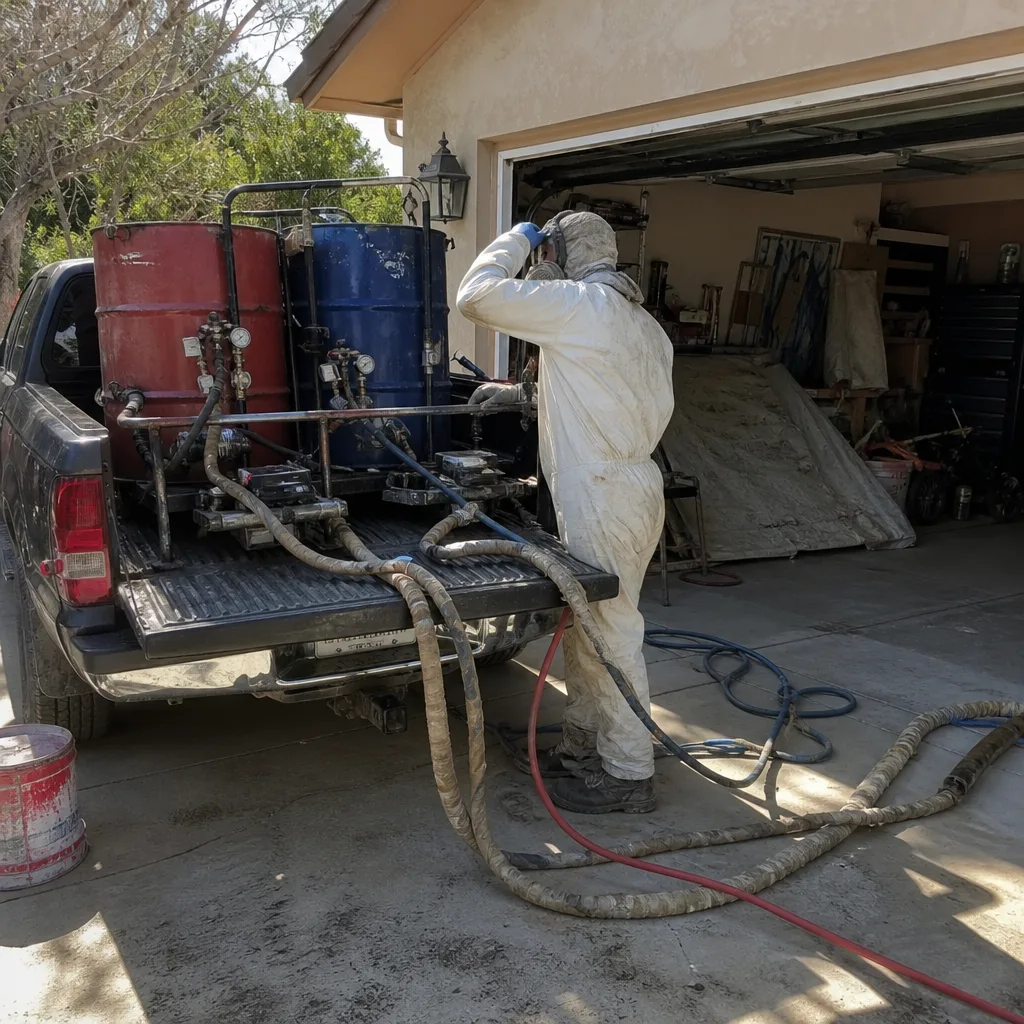
Blown in insulation is the most common retrofit we perform in Highland, and the reason is simple: most homes here were built between the 1950s and early 2000s with attics that have either settled fiberglass batts or, in some cases, barely enough insulation to meet the code of their era. The summer sun here turns those attics into ovens, often pushing past 150°F by noon, and that heat doesn’t stay in the attic. It radiates down into living space and forces your AC to work far harder than it should. We match the right blown-in material to each home’s specific attic depth, framing layout, and exposure, including homes in foothill-edge sections of 92346 where wind-driven dust complicates the picture. Call us at (833) 686-4248 if you want a straight answer about what your attic actually needs.
Why Highland Homes Are Different
Highland sits at the eastern foot of the San Bernardino Mountains, where the flat valley floor rises into foothill terrain within the same ZIP code. That geography matters more than most homeowners realize. A mid-century ranch on the valley floor gets intense, uninterrupted sun all afternoon, while a newer foothill-edge home may get some afternoon shade but also deals with more wind and dust moving down off the slopes. That dust is a real factor in Highland attics. Over years, it sifts into poorly sealed penetrations – around can lights, vent pipes, and top plates – and settles into the existing insulation, reducing its effective R-value and sometimes displacing it entirely. We regularly find attics in Highland where the original batts have settled to R-19 or worse, and where the top few inches of insulation are so dust-choked that air movement through the attic has become part of the problem. Air sealing matters here as much as adding material.
The housing stock itself also shapes the work. Most homes are single-family tract builds from the mid-century through the 2000s, with pitched attics, stucco exteriors, and framing layouts that are usually straightforward but occasionally tight around truss chords. Newer foothill-edge construction tends toward larger volumes and higher ceilings, which means more attic cubic footage to treat and more variation in ceiling heights across the home. Title 24 requirements also differ by zone and project scope, so we check the applicable standard for each job rather than assuming a single R-value works everywhere in Highland.
Our Main Highland Services
Blown-in attic work is the service Highland homeowners call about most often, but we also handle two other insulation methods that solve different problems depending on the structure and the homeowner’s goals.
Attic Insulation in Highland
Attic insulation in Highland homes is usually a retrofit job, and the most common condition we see is original fiberglass batts that have settled, shifted, or been disturbed by years of electrical and HVAC work. We assess what’s there, recommend either removing and replacing it or adding a blown-in layer on top, and we always address air sealing before adding material. For a full breakdown of how we approach attic work in Highland, including what changes between valley-floor and foothill homes, see our Attic Insulation in Highland page.
Spray Foam Insulation in Highland
Spray foam is a different tool for a different job in Highland. Where blown-in material makes sense for open attics and routine R-value upgrades, spray foam earns its cost when a homeowner wants to seal and insulate in one pass – especially in vaulted ceilings, knee walls, and homes where ductwork runs through unconditioned attic space. Icynene and Demilec are the two systems we install most, and each has a specific place depending on the roof assembly and budget. Our Spray Foam Insulation in Highland page explains when foam is the right call and when blown-in is the better value.
What happens when you call
- 1
A real person answersNo phone trees — you reach a local pro.
- 2
You get an upfront price rangeHonest numbers before anyone is dispatched.
- 3
A background-checked tech heads outLicensed & insured, dispatched right away.
- 4
You approve before work beginsNothing starts until you say go.
Blown In Insulation in Highland
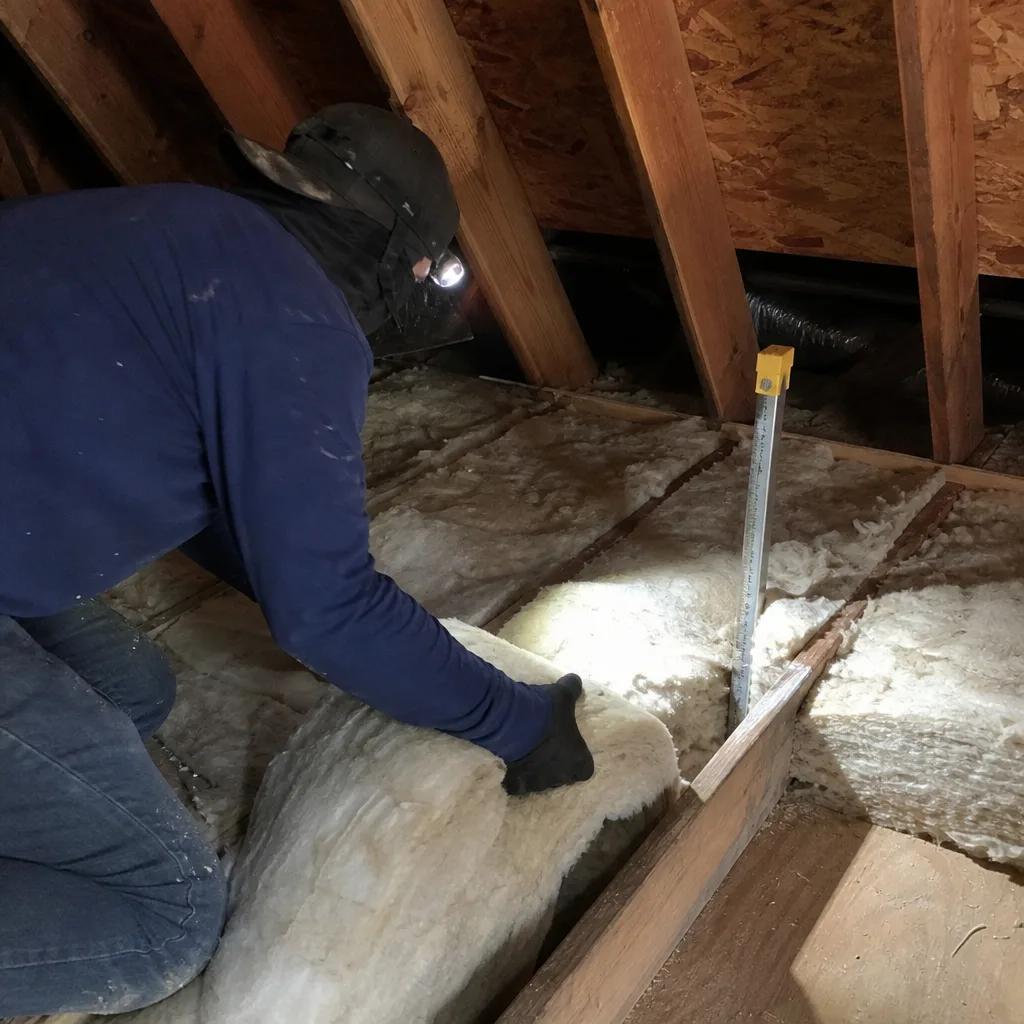
Blown in insulation is the workhorse retrofit for Highland attics because it fills irregular cavities, settles around truss chords and cross-bracing, and covers existing batts without requiring a full tear-out. In a city where summer attic temperatures routinely exceed 150°F and wind-blown dust from the foothills degrades old insulation, adding a dense, even layer of blown-in material – and sealing the penetrations first – is often the single highest-impact upgrade a homeowner can make. We carry fiberglass and cellulose options, including recycled-content material, and we choose based on the attic’s condition, depth, and the home’s exposure. For a full look at how this service works and the materials we use, visit our Blown In Insulation page.
Cellulose Insulation
Signs you need it
Your attic insulation looks thin, settled, or dust-darkened, and rooms directly under the attic feel noticeably warmer than the rest of the house by late afternoon.
What it costs in Highland
Blown-in cellulose in Highland typically runs $1,400 to $4,800 depending on attic square footage, target R-value, and how much air sealing is needed first.
How we do it
We air-seal the attic floor penetrations first, then blow GreenFiber or comparable cellulose to the specified depth, checking coverage with depth markers across every section.
Blown In Attic Insulation
Signs you need it
Your attic floor shows bare spots or uneven coverage, and your AC runs longer on hot days than it did a few years ago.
What it costs in Highland
Blown-in attic insulation in Highland generally falls between $1,500 and $5,200, with larger or harder-to-access attics at the upper end.
How we do it
We pull back or remove any damaged existing material, seal ceiling penetrations, and blow an even layer of fiberglass or cellulose to the R-value your home’s zone and framing call for.
Blown In Cellulose Insulation
Signs you need it
You want an eco-conscious upgrade and your current attic insulation is thin, dusty, or uneven across the floor.
What it costs in Highland
Expect to pay $1,600 to $4,500 for blown-in cellulose in a typical Highland attic, before any rebates or utility incentives you may qualify for.
How we do it
We dense-pack walls or open-blow attics using recycled-content cellulose, keeping the coverage consistent and the depth markers visible throughout the job.
Blown In Fiberglass Insulation
Signs you need it
Your attic has settled old batts and you want a quick, clean R-value boost without adding much weight to the ceiling framing.
What it costs in Highland
Blown-in fiberglass in Highland typically costs $1,400 to $5,000, with price driven mostly by existing depth, access, and how much air sealing is involved.
How we do it
We air-seal penetrations, then blow loose-fill fiberglass in a single pass to the target depth, using marked rulers to keep the coverage even across the full attic floor.
What Blown In Insulation Costs in Highland
| Item | Typical range in Highland |
|---|---|
| Blown-in cellulose attic retrofit | $1,400 – $4,800 |
| Blown-in fiberglass attic retrofit | $1,400 – $5,000 |
| Air sealing package with blown-in insulation | $500 – $1,800 additional |
Is blown-in insulation worth it in Highland’s heat?
Yes, especially in older tract homes where attic heat gain drives summer cooling bills. A properly sealed attic with an even blown-in layer keeps less of that 150°F attic air from reaching your living space. Call (833) 686-4248 for exact pricing on your attic.
Which blown-in material works better in dusty attics?
Both work, but we lean toward cellulose in Highland attics with heavy dust infiltration because it forms a denser blanket that resists displacement from wind moving through the attic. Air sealing matters as much as the material choice.
Brands We Service in Highland
Pearl Insulation installs across eight manufacturer lines, and in Highland we most often pair CertainTeed fiberglass with GreenFiber cellulose for blown-in work, while Icynene and Demilec cover spray foam projects. Because we stock competing brands across every major insulation type, the recommendation follows the home’s condition and exposure, not what’s easiest to source. That’s the point of our our brands approach.
Pricing for Insulation Company in Highland, CA
| Service | Typical range in Highland |
|---|---|
| Blown-in cellulose attic retrofit | $1,400 – $4,800 |
| Blown-in fiberglass attic retrofit | $1,400 – $5,000 |
| Blown-in attic insulation (general) | $1,500 – $5,200 |
| Blown-in cellulose (general) | $1,600 – $4,500 |
| Blown-in fiberglass (general) | $1,400 – $5,000 |
| Air sealing package | $500 – $1,800 additional |
| Spray foam insulation (open-cell) | $2,500 – $7,500 |
| Spray foam insulation (closed-cell) | $3,000 – $9,000 |
| Attic batt insulation replacement | $1,200 – $3,800 |
What pushes pricing up in Highland is usually the attic’s condition: heavy dust, settled or rodent-damaged material that must be removed first, and hard-to-reach sections in foothill-edge homes with steep roof pitches all add labor. We give a fixed, upfront price before work starts, so the number we quote is the number you’ll pay.
Neighborhoods We Serve in Highland
We cover the full 92346 ZIP and the surrounding unincorporated pockets, from older mid-century tracts near Baseline and Victoria to newer foothill-edge developments off Greenspot Road and along the northern edge of the city. Response time for most Highland estimates is one to three business days, with emergency calls worked in sooner when the schedule allows.
- East Highlands Ranch
- Highland Grove
- Base Line corridor
- Greenspot Road foothill area
- Victoria area
Service Area – Cities Near Highland
Pearl Insulation serves Highland and the surrounding Inland Empire communities from our Temecula base, so the same crew and the same eight-brand material bench cover the whole area. We work regularly in San Bernardino, CA, Redlands, CA, Loma Linda, CA, and Mentone, CA – each with its own housing mix and attic conditions, but all facing the same punishing summer heat gain.
Serving Highland, CA — Our Local Coverage Area
We’re based in the Highland area and know this community well. Use the map below to see our service coverage — if you’re nearby, we can almost certainly help.
FAQs About Insulation Company in Highland
Most estimates and service calls in Highland are scheduled within one to three business days. If you have a specific timeline or an HVAC contractor waiting on insulation before finishing their work, mention it when you call and we’ll do our best to fit it in sooner.
Most attic insulation retrofits don’t need a city permit in Highland, but some projects tied to a larger remodel or addition will fall under the city’s standard building permit process. We’ll check the specific scope and let you know before work starts whether anything needs to be filed.
Yes, and we see both regularly in Highland. Older tract attics usually need air sealing and a full blown-in layer, while newer foothill-edge homes often have larger volumes and ceiling-height variation that change the material and depth we recommend. The same crew handles both.
What happens when you call
- 1A real person answersNo phone trees — talk to a local insulation pro.
- 2You get an upfront price rangeHonest numbers before anyone is dispatched. No surprises.
- 3A background-checked tech heads outLicensed & insured, typically within the hour.
- 4You approve before work beginsNothing starts until you say go.
What Highland Customers Say
"Plastic laid from the front door to the attic hatch and they vacuumed the hallway afterward."
— Alma Guzman"Attic was at maybe R-11 from the 1970s and blown in over the top would have just buried the problem. They removed the old material, air sealed the top plates and penetrations first, then blew in to R-49. The upstairs is a completely different house in August."
— Craig Rhodes"Found and sealed a gap around the chimney chase that was basically an open chimney to the attic."
— Christine Kim