
Insulation Company in Costa Mesa, CA
Blown in insulation solves the problem Costa Mesa homeowners feel most: older attics that let the marine layer’s damp air settle right into your living space. Homes in the 92626 and 92627 ZIP codes were largely built in the 1950s and 60s, and most still have the original thin fiberglass batts, now compressed and holding moisture from decades of foggy mornings. Pearl Insulation has served Costa Mesa since 2011, and the work here is rarely a simple top-off. It’s a moisture-smart retrofit that accounts for salt air, vapor movement, and the way coastal humidity behaves differently than inland dry heat. Call (833) 686-4248 to have us look at what’s actually in your attic.
Why Costa Mesa Homes Are Different
Costa Mesa sits inside the coastal marine layer band of Orange County. That means insulation decisions here aren’t driven by 110-degree spikes the way they are in Riverside or Temecula. They’re driven by persistent morning moisture, salt-laden air, and a heating and cooling cycle that runs mild but never really stops. The 92627 Westside has the most extreme version of this pattern: older unsealed attics and crawlspaces collect condensation every foggy stretch, and we routinely pull out original insulation that’s damp, compressed, and doing almost nothing. Eastside and South Coast Metro homes in 92626 run newer, but many were built during periods when insulation was installed thinly to hit a code minimum, not a comfort standard.
The housing stock spans 1950s-60s tract homes and Westside bungalows to newer infill builds. That spread matters because no single product fits all of it. An older tract home with unsealed wall cavities needs an air-sealing-first approach, not just more material piled on top. A newer infill build might only need a properly installed attic blanket. The common thread across Costa Mesa is moisture management. Insulation that absorbs marine humidity loses R-value quickly, and vapor barriers installed the way inland crews do them can trap moisture inside wall cavities here. The material choice has to respect the fog.
Our Main Costa Mesa Services
Costa Mesa homeowners call us most about two things: attics that need to be brought up to a working standard, and homes where spray foam is the right answer for air sealing in a damp coastal envelope. Here’s how each one works here.
Attic Insulation in Costa Mesa
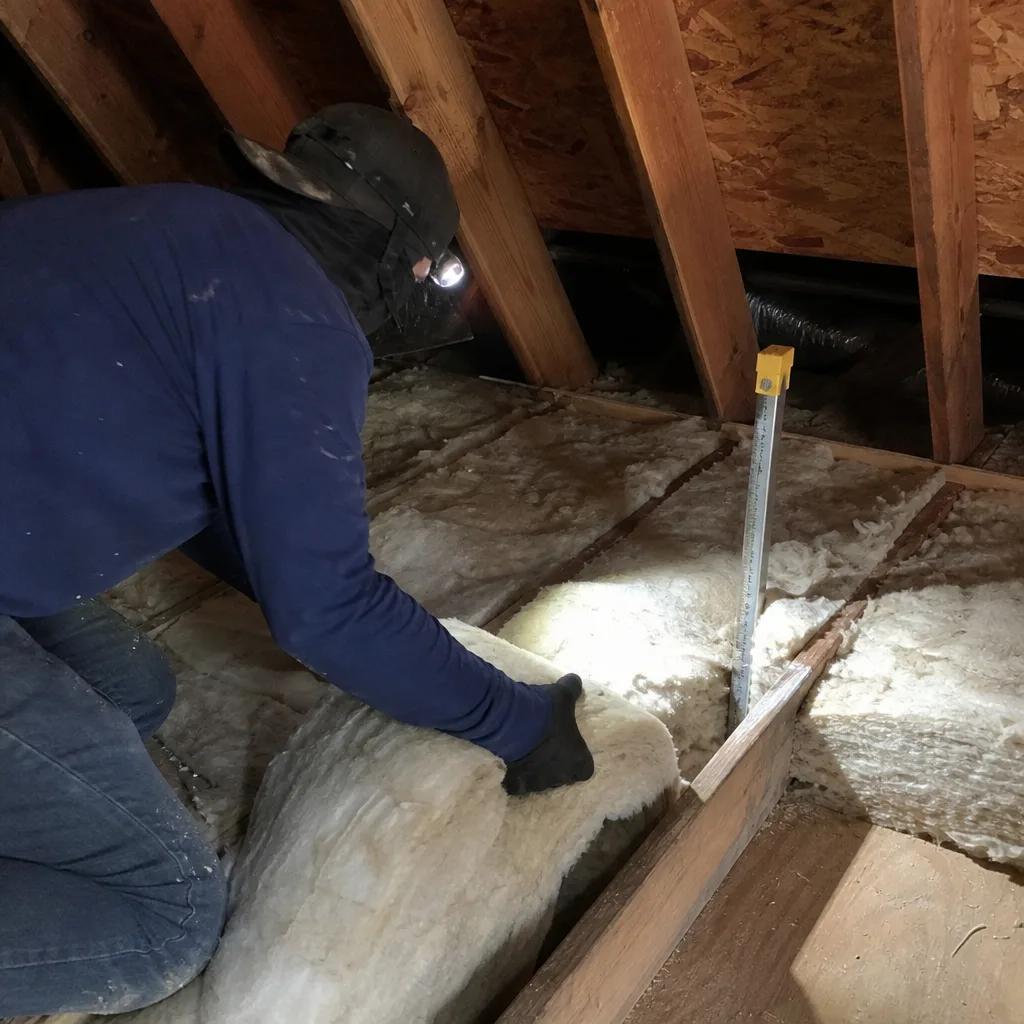
In Costa Mesa’s 1950s and 60s tract homes, attic insulation is usually a removal-and-replace job, not an add-more-on-top job. The original batts have settled under years of marine moisture, and in many Westside attics we find them holding condensation against the drywall. That moisture load is exactly what you don’t want sitting over your ceiling. We can route this job to a blown-in product like Knauf fiberglass or GreenFiber cellulose, or to a batt system from Owens Corning or CertainTeed, depending on the attic’s ventilation and how much air sealing the home needs. The goal is an attic that handles fog season without giving that dampness a place to sit.
Full details on how we approach attics in this climate: Attic Insulation in Costa Mesa.
Spray Foam Insulation in Costa Mesa
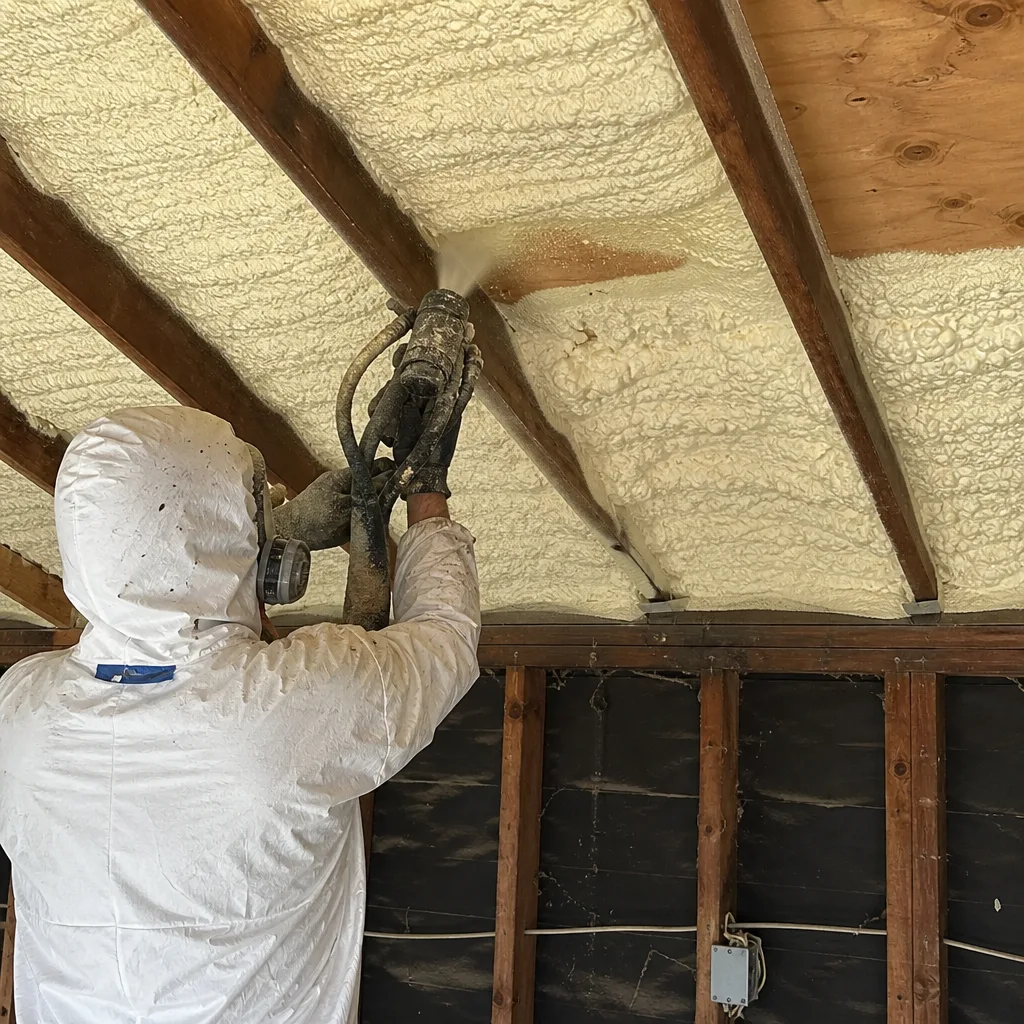
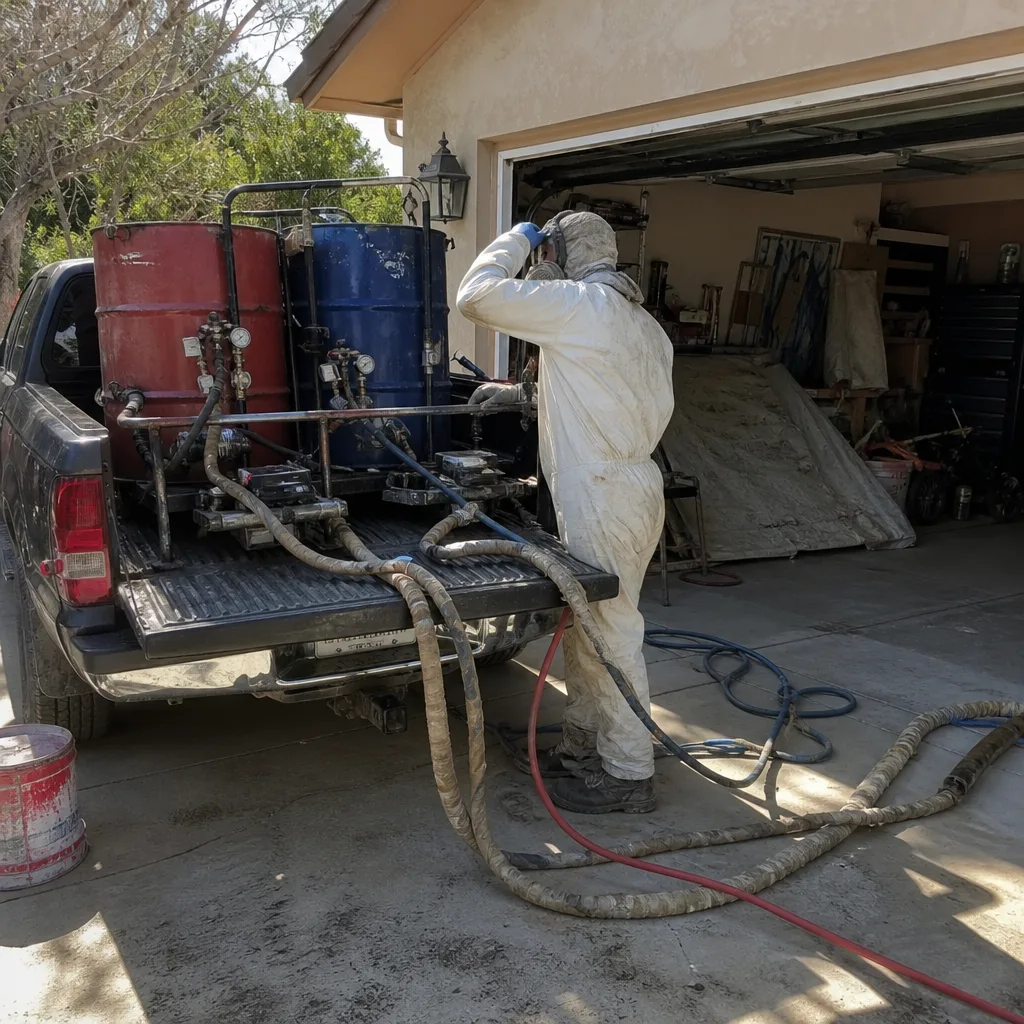
Spray foam in Costa Mesa earns its keep in the homes where air sealing matters as much as R-value, and that’s a lot of homes here. On the Westside especially, the combination of older framing, unsealed wall cavities, and months of marine humidity means air isn’t just leaking through the attic; it’s moving through the whole envelope. An Icynene or Demilec open-cell or closed-cell application seals that movement and creates a vapor profile that makes sense for coastal air. It’s more involved than a batt install, and it’s the right call when the home’s problem is draft-driven comfort loss, not just a thin attic blanket.
See how we specify foam systems for Costa Mesa’s climate: Spray Foam Insulation in Costa Mesa.
What happens when you call
- 1
A real person answersNo phone trees — you reach a local pro.
- 2
You get an upfront price rangeHonest numbers before anyone is dispatched.
- 3
A background-checked tech heads outLicensed & insured, dispatched right away.
- 4
You approve before work beginsNothing starts until you say go.
Blown In Insulation in Costa Mesa
Blown in insulation is the most common retrofit we install in Costa Mesa because it’s the most practical way to fix what decades of coastal humidity have done to older attics. In a 1950s tract home in 92627, the original batts are usually damp, compressed, and nowhere near their rated R-value, and blown in material lets us fill the whole attic cavity evenly, including the spots around joists and odd framing that batt installs miss. We typically specify a moisture-tolerant material like Knauf fiberglass or GreenFiber cellulose here, and we always check the attic’s air sealing before we blow anything in. That’s the order of operations that holds up to the marine layer. For a deeper look at how this service works as a system, see Blown In Insulation.
Cellulose Insulation
Signs you need it
Your attic insulation looks gray, settled, or damp, and your upstairs rooms run warmer than the rest of the house during any stretch of afternoon sun.
What it costs in Costa Mesa
Cellulose blown into an existing attic in Costa Mesa typically runs $0.90 to $1.50 per square foot, depending on depth and whether old material has to be removed first.
How we do it
We remove any damp or contaminated old material, air-seal the attic floor penetrations, then blow GreenFiber cellulose to the target depth and R-value with proper attention to attic ventilation.
Blown In Attic Insulation
Signs you need it
Your attic has thin or patchy insulation coverage, or you can see the tops of the ceiling joists, which means the current depth is nowhere near what the home needs.
What it costs in Costa Mesa
Blown in attic insulation in Costa Mesa averages $1,500 to $2,700 for a typical 1,200 to 1,800 square foot home when installed by a two-person crew in a day.
How we do it
We inspect the attic, mark the proper depth, seal bypasses around wiring and recessed lights, and blow in the material to an even, code-meeting level, checking consistency as we go.
Blown In Fiberglass Insulation
Signs you need it
Your attic insulation is old, settled, or uneven, and you want a material that won’t absorb moisture the way some organic materials can in damp coastal air.
What it costs in Costa Mesa
Blown in fiberglass in Costa Mesa runs $0.80 to $1.30 per square foot for a typical attic, with the final number driven by target R-value and access.
How we do it
We set the blower for the manufacturer’s specified density, run the hose to cover the entire attic floor, and verify depth with reference marks, then check that roof and soffit ventilation is still open.
Loose Fill Insulation
Signs you need it
Your attic has uneven coverage, open voids, or no insulation in hard-to-reach corners where batts were never properly fitted.
What it costs in Costa Mesa
Loose fill coverage in Costa Mesa follows the same $0.80 to $1.50 per square foot band as other blown in work, with attic access and removal of old material being the main variables.
How we do it
We clear the work area, set depth guides, run a consistent fill across every bay and corner, and then inspect with a thermal check to confirm there are no thin spots.
What Blown In Insulation Costs in Costa Mesa
| Item | Typical range in Costa Mesa |
|---|---|
| Blown in fiberglass (attic) | $0.80 – $1.30 per sq ft |
| Blown in cellulose (attic) | $0.90 – $1.50 per sq ft |
| Whole-home attic blow-in (1,200 – 1,800 sq ft) | $1,500 – $2,700 |
Is blown in insulation good for damp coastal attics?
Yes, when the material and prep are right. Dampness in Costa Mesa attics usually means the old material wasn’t installed with a moisture plan. We air-seal first and opt for fiberglass or a treated cellulose so the fill doesn’t become a sponge during long fog stretches.
How long does a blown in insulation job take in Costa Mesa?
Most attic blow-ins finish in one working day, including air sealing along the attic floor. Homes with old damp material to remove or tight attic access can push to a second day. Call (833) 686-4248 for a realistic time frame on your home.
Brands We Service in Costa Mesa
We install and service Knauf, Rockwool, CertainTeed, and Icynene in Costa Mesa, and we carry the parts and accessories each system needs, so a service or top-off visit doesn’t stall waiting on a shipment. That local stock means most brand-related work here turns around within a few days. See our brands for the full portfolio.
Pricing for Insulation Company in Costa Mesa, CA
| Service | Typical range in Costa Mesa |
|---|---|
| Blown in fiberglass (attic) | $0.80 – $1.30 per sq ft |
| Blown in cellulose (attic) | $0.90 – $1.50 per sq ft |
| Blown in attic insulation (whole home) | $1,500 – $2,700 |
| Attic batt insulation | $1.20 – $2.80 per sq ft |
| Spray foam (open-cell) | $0.50 – $1.50 per board ft |
| Spray foam (closed-cell) | $1.00 – $2.50 per board ft |
| Spray foam (rim joist) | $7.00 – $11.00 per linear ft |
| Spray foam (basement walls) | $3.00 – $6.00 per sq ft |
| Spray foam (attic ceiling) | $2.00 – $4.50 per sq ft |
| Air sealing | $1,000 – $3,000 |
| Insulation removal | $1.50 – $3.00 per sq ft |
| Crawl space insulation / vapor barrier | $1,000 – $2,500 installed |
What pushes price up in Costa Mesa is usually the same thing: removing old insulation that’s been sitting in fifty years of marine damp. Access matters too, especially in smaller Westside attics or homes with additions where the original framing makes coverage uneven. The price we quote is the price you approve, and every Costa Mesa job starts with a free, no-guess estimate. Call (833) 686-4248.
Neighborhoods We Serve in Costa Mesa
We work across the city, and the pattern tends to follow the housing stock: more retrofit work on the Westside, more attic upgrades and energy improvements in the east. Response time for most Costa Mesa calls is same-day or next-day for non-emergency insulation work.
- Westside (92627)
- Eastside (92627)
- Mesa Verde (92626)
- South Coast Metro (92626)
- College Park (92626)
Service Area – Cities Near Costa Mesa
Insulation work near the coast doesn’t stop at Costa Mesa’s borders, and we regularly schedule in the neighboring communities along the 55 and 73 corridors. We serve Newport Beach, CA for coastal homes with the same marine-layer moisture profile, San Joaquin Hills, CA for hillside properties that get more wind exposure, Santa Ana, CA for older tract homes inland, and Irvine, CA for newer builds where insulation was often installed to minimum code. Call (833) 686-4248 to see how we schedule across the area.
Serving Costa Mesa, CA — Our Local Coverage Area
We’re based in the Costa Mesa area and know this community well. Use the map below to see our service coverage — if you’re nearby, we can almost certainly help.
FAQs About Insulation Company in Costa Mesa
Most calls in Costa Mesa get a same-day or next-day visit. We schedule by neighborhood as much as by urgency, and since we stock materials for the brands we service locally, there’s usually no delay waiting on product. Call (833) 686-4248 and we’ll tell you what’s realistic for your ZIP.
Straightforward attic insulation and air sealing typically don’t require a permit. If your job involves structural changes or a full spray foam application where code inspection applies, we’ll flag that during the estimate and tell you exactly what the city needs before any work starts.
It does. Persistent morning fog and salt air put moisture into attics and wall cavities, and that moisture compresses fiberglass, degrades some materials, and cuts thermal performance. That’s why we air-seal first and select materials that handle coastal humidity without giving up R-value.
What happens when you call
- 1A real person answersNo phone trees — talk to a local insulation pro.
- 2You get an upfront price rangeHonest numbers before anyone is dispatched. No surprises.
- 3A background-checked tech heads outLicensed & insured, typically within the hour.
- 4You approve before work beginsNothing starts until you say go.
What Costa Mesa Customers Say
"Plastic laid from the front door to the attic hatch and they vacuumed the hallway afterward."
— Alma Guzman"Attic was at maybe R-11 from the 1970s and blown in over the top would have just buried the problem. They removed the old material, air sealed the top plates and penetrations first, then blew in to R-49. The upstairs is a completely different house in August."
— Craig Rhodes"Found and sealed a gap around the chimney chase that was basically an open chimney to the attic."
— Christine Kim