
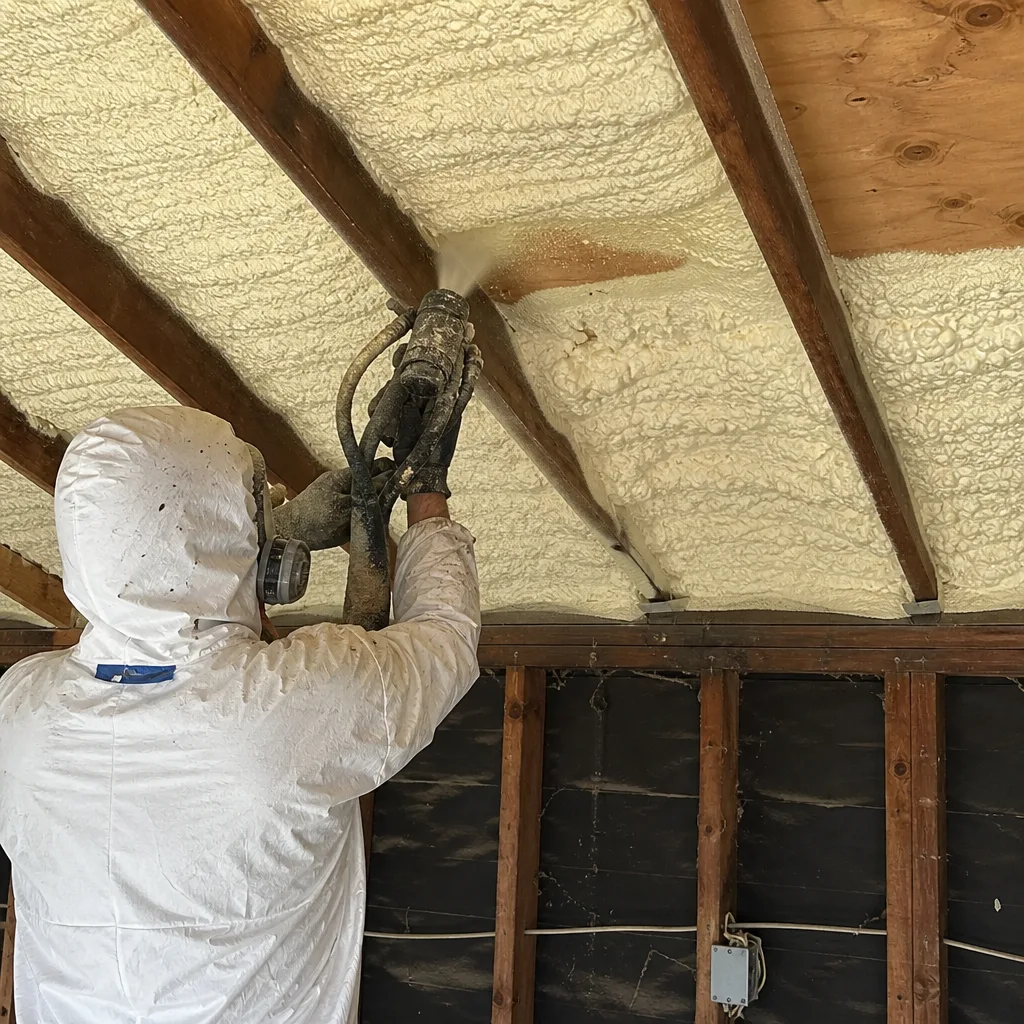
Insulation Company in March Air Force Base, CA
Blown in insulation is the most common request we field from March Air Force Base homeowners, and for good reason. The 92551 ZIP’s mix of mid-century tract housing, rental turnover, and brutal inland temperature swings means attics here are often under-insulated, dust-fouled, or both. Pearl Insulation has served March Air Force Base since 2011, matching the right material to each home rather than pushing one product. Call (833) 686-4248 for a free estimate.
Why March Air Force Base Homes Are Different
March Air Force Base occupies a strange middle ground: it’s a former military installation transformed into one of the largest logistics hubs in Riverside County, and the surrounding 92551 housing reflects that split identity. Much of the stock is mid-to-late-20th-century tract housing built during the base’s active years, plus newer infill along the March/Mead Valley edge. Attics are typically vented, sloped-roof wood-frame construction with older batt insulation or thin blown layers that were code-compliant when installed but fall far short of what the climate demands.
The climate is the real driver here. Summer highs routinely top 100°F while winter nights drop near or below freezing, so a single day can swing 40-plus degrees. Insulation has to fight heat gain from above and cold seeping in overnight. On top of that, the constant truck and rail traffic around March ARB kicks up dust that clogs soffit vents and blower-door gaps. We frequently find attic insulation compacted and dust-fouled rather than simply worn out, which means air-sealing and vent-clearing fixes often come before adding R-value.
Our Main March Air Force Base Services
Most March Air Force Base homeowners call us about one of two things: upgrading what’s already in the attic or sealing the building envelope with spray foam. Here’s what each looks like around here.
Attic Insulation in March Air Force Base
Attic work in the 92551 ZIP usually means removing compressed, dust-contaminated batts or topping off thin blown layers. The goal is to get the attic floor to a consistent R-value that holds up against those triple-digit summer afternoons. We check soffit vents for clogging before recommending how much material to add, because a sealed-up vent negates the value of new insulation. For the full breakdown of what attic work involves in this area, see Attic Insulation in March Air Force Base.
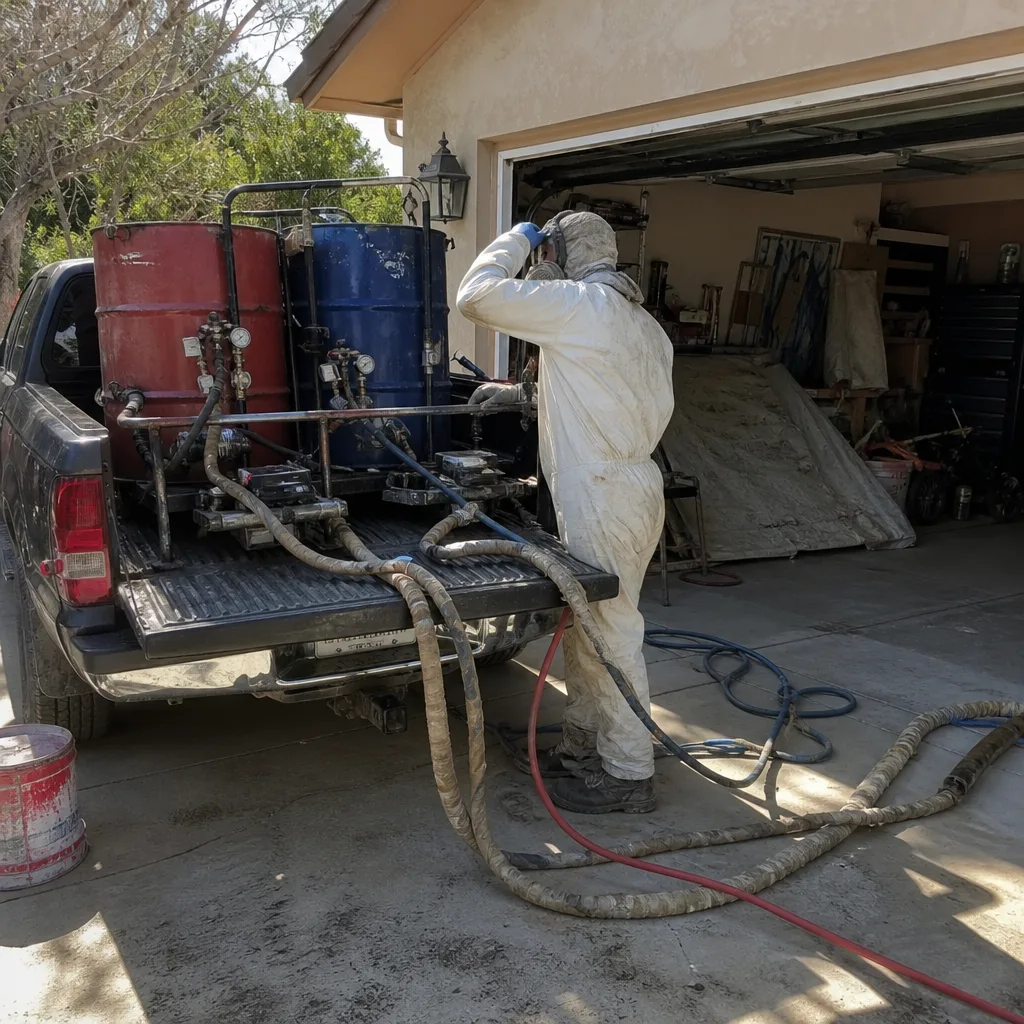
Spray Foam Insulation in March Air Force Base
Spray foam earns its keep in March Air Force Base by doing two jobs at once: insulating and air-sealing. On older tract homes with leaky top plates and can-light penetrations, open-cell foam cuts the dust infiltration that plagues homes near the logistics corridors. On newer infill and metal warehouse shells adjacent to the base, closed-cell systems like Icynene deliver high R-value per inch. We carry both Icynene and Demilec systems. Details are on Spray Foam Insulation in March Air Force Base.
What happens when you call
- 1
A real person answersNo phone trees — you reach a local pro.
- 2
You get an upfront price rangeHonest numbers before anyone is dispatched.
- 3
A background-checked tech heads outLicensed & insured, dispatched right away.
- 4
You approve before work beginsNothing starts until you say go.
Blown In Insulation in March Air Force Base
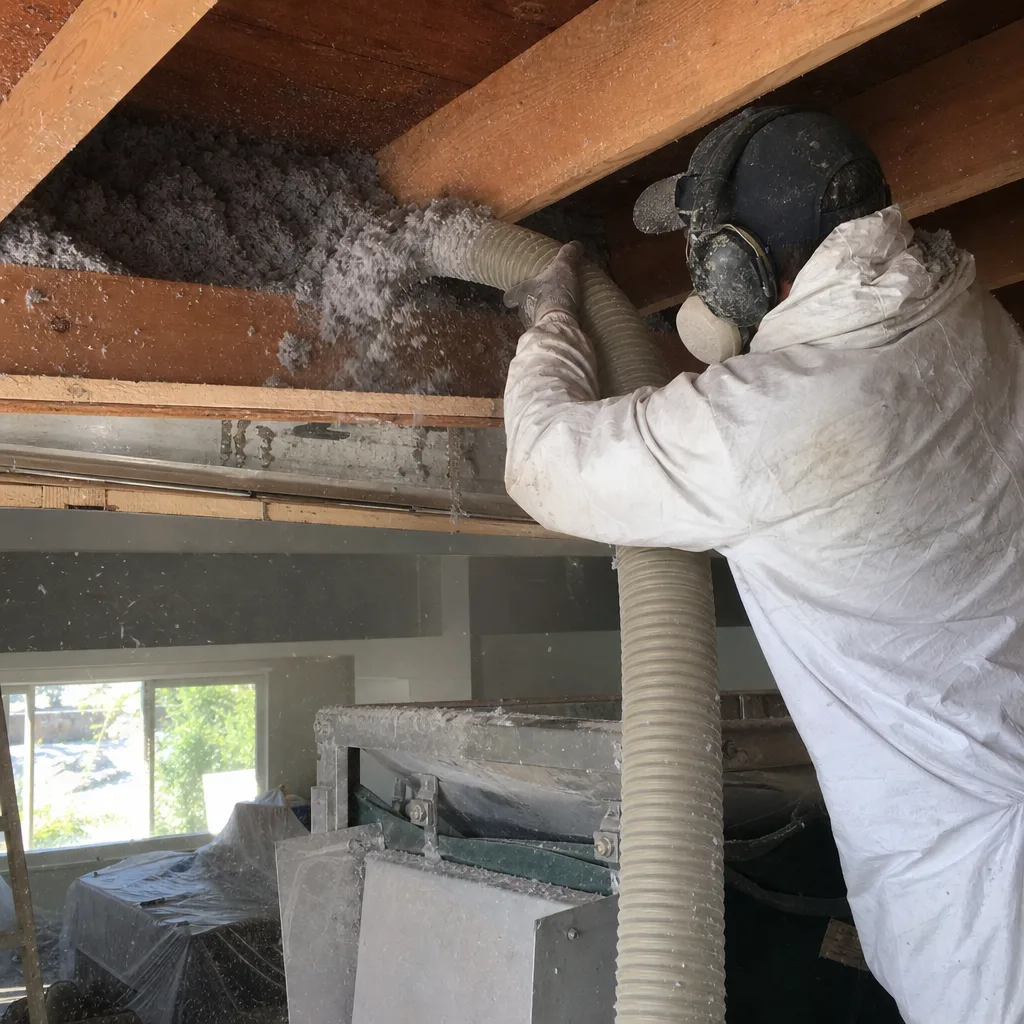
Blown in insulation is the workhorse upgrade for March Air Force Base attics because it fills irregular cavities and covers existing material evenly, which matters when you’re dealing with decades of compaction and dust. Homes here rarely need a full tear-out; most need a top-off with loose fill or a full replacement with blown fiberglass or cellulose to hit modern R-values. The temperature swing from 100°F days to freezing nights means going a step beyond code minimum pays off every single month. Pearl carries Knauf fiberglass and GreenFiber cellulose, and our Blown In Insulation line covers both materials and every method we install.
Cellulose Insulation
Signs you need it
Your attic insulation sits below the ceiling joists, looks gray and compressed, or you notice bedroom temperatures spiking in summer despite running the AC.
What it costs in March Air Force Base
Blown cellulose for an average 92551 attic typically runs $1,800 to $3,600 depending on square footage and how much old material needs removing first.
How we do it
We remove any dust-fouled or rodent-damaged material, air-seal penetration points, then blow GreenFiber cellulose to the target depth and density with baffles protecting the soffit vents.
Blown In Attic Insulation
Signs you need it
Upstairs rooms run 10-plus degrees hotter than downstairs in summer, or you can see the tops of ceiling joists poking through the existing attic insulation.
What it costs in March Air Force Base
Blown in attic insulation here generally lands between $2,200 and $4,800, with the higher end covering deep top-offs and vent-corridor work on larger ranch-style homes.
How we do it
We map the attic, clear clogged soffit vents, air-seal ceiling penetrations, then blow Knauf fiberglass or GreenFiber cellulose to a uniform R-38 to R-49 depth depending on your ceiling framing.
Blown In Cellulose Insulation
Signs you need it
Your home is drafty near wall tops and recessed lights, and you want a denser material that resists air movement better than standard fiberglass.
What it costs in March Air Force Base
Expect $1,900 to $3,900 for blown in cellulose in March Air Force Base, with final price tied to attic access difficulty and how much prep work the older housing stock demands.
How we do it
We dense-pack GreenFiber cellulose into attic floors and closed wall cavities, which slows air movement and gives you a recycled-content material without losing thermal performance.
Blown In Fiberglass Insulation
Signs you need it
Your attic currently has thin or uneven batt coverage and you want a cost-effective, moisture-resistant top-off that won’t settle as much as older cellulose.
What it costs in March Air Force Base
Blown fiberglass runs $1,700 to $3,400 in the 92551 ZIP, depending on depth and whether we’re topping off existing material or starting fresh.
How we do it
We blow Knauf fiberglass loose fill across the attic floor at the calibrated density for your target R-value, keeping it even around trusses and away from soffit vents.
Loose Fill Insulation
Signs you need it
Your attic has bare spots, settled areas, or gaps around framing, and you want full coverage across an irregular ceiling plane without disturbing the existing structure.
What it costs in March Air Force Base
Loose fill insulation work in March Air Force Base typically falls between $1,600 and $3,200, with the spread coming from attic size and material depth needed.
How we do it
We blow loose fill fiberglass or cellulose to a consistent depth line across the entire attic floor, layering around vents and treating any leftover gaps as part of the same pass.
What Blown In Insulation Costs in March Air Force Base
| Item | Typical range in March Air Force Base |
|---|---|
| Blown fiberglass top-off | $1,700 – $3,400 |
| Blown cellulose full attic | $1,800 – $3,600 |
| Blown in attic with air-sealing | $2,200 – $4,800 |
How long does blown in insulation last in March Air Force Base?
Fiberglass loose fill lasts 30-plus years with proper vent clearance, and cellulose holds up similarly when kept dry. The bigger issue here is dust compaction from truck traffic, which our vent-clearing pass addresses before new material goes in. Call (833) 686-4248 for an attic check.
Can you blow insulation over existing attic insulation in March Air Force Base?
Yes, if the existing material is dry and not rodent-damaged. Many 92551 homes just need a top-off over older batts, which is the most cost-effective path to modern R-values. We check the condition first and quote based on what’s actually up there.
Brands We Service in March Air Force Base
Pearl Insulation installs Knauf fiberglass, Rockwool mineral wool, CertainTeed batts, and Icynene spray foam in March Air Force Base homes, which means your recommendation is driven by the structure’s age, climate zone, and air-sealing goals rather than what’s easiest to source. See our brands for the full product bench and what each one does best.
Pricing for Insulation Company in March Air Force Base, CA
| Service | Typical range in March Air Force Base |
|---|---|
| Blown fiberglass top-off | $1,700 – $3,400 |
| Blown cellulose full attic | $1,800 – $3,600 |
| Blown in attic with air-sealing | $2,200 – $4,800 |
| Blown in cellulose | $1,900 – $3,900 |
| Loose fill insulation | $1,600 – $3,200 |
What pushes the price up in March Air Force Base is dust remediation and air-sealing work on older tract homes near the logistics corridors, plus attic access difficulty on ranch-style layouts. We quote upfront and the number we give is the number you pay.
Neighborhoods We Serve in March Air Force Base
We work throughout the 92551 ZIP and the surrounding March/Mead Valley edge, where the housing mix ranges from base-era tract homes to newer infill. Response time across the area is typically same-week, with emergency attic checks available when a sudden leak or rodent problem demands it.
- March ARB base housing
- Mead Valley edge
- Arnold Heights
- Sunnyvale Ranch
- Woodcrest border
Service Area – Cities Near March Air Force Base
Pearl Insulation covers March Air Force Base and the surrounding Inland Empire communities from our Temecula shop. If you’re in Moreno Valley, CA, Woodcrest, CA, Perris, CA, or Good Hope, CA, the same material-agnostic approach applies. Call (833) 686-4248 and we’ll confirm the next available slot in your area.
Serving March Air Force Base, CA — Our Local Coverage Area
We’re based in the March Air Force Base area and know this community well. Use the map below to see our service coverage — if you’re nearby, we can almost certainly help.
FAQs About Insulation Company in March Air Force Base
We schedule most March Air Force Base jobs within the same week, and we keep a short list for urgent attic issues like sudden rodent intrusion or water-damaged insulation. Call (833) 686-4248 and we’ll give you a real arrival window for the 92551 ZIP.
Most attic insulation top-offs and replacements don’t trigger a permit in the 92551 ZIP, and we handle the work as a straightforward retrofit. If your project involves spray foam on a new build or a major remodel, we’ll flag any permit requirement before we start.
We cover the entire 92551 ZIP, including the base-adjacent housing, the Mead Valley edge, and the surrounding tract neighborhoods. Our service area also reaches into nearby cities like Moreno Valley and Perris without a trip charge for most distances.
What happens when you call
- 1A real person answersNo phone trees — talk to a local insulation pro.
- 2You get an upfront price rangeHonest numbers before anyone is dispatched. No surprises.
- 3A background-checked tech heads outLicensed & insured, typically within the hour.
- 4You approve before work beginsNothing starts until you say go.
What March Air Force Base Customers Say
"Found and sealed a gap around the chimney chase that was basically an open chimney to the attic."
— Christine Kim"Work is good and the house is noticeably more comfortable. There was insulation debris left in the hall closet under the attic access that I had to clean up."
— Gabriela Ramirez"Plastic laid from the front door to the attic hatch and they vacuumed the hallway afterward."
— Alma Guzman